Brand Identity: Your Key to Marketing Without The Ick
Dec 01, 2025Look, I'll be Completely Honest, Even I Hate the Pushy Stuff
Let's get real for a second—when most creative people hear the word "marketing," we immediately want to hide under our desks with our sketchbooks and pretend we didn't hear anything.
Marketing feels... icky. Salesy. Like we're supposed to transform into those people who won't stop talking about their business at every party, turning every conversation into a pitch. Shudder.
But here's the plot twist that changed everything for me: Marketing isn't actually what you think it is.
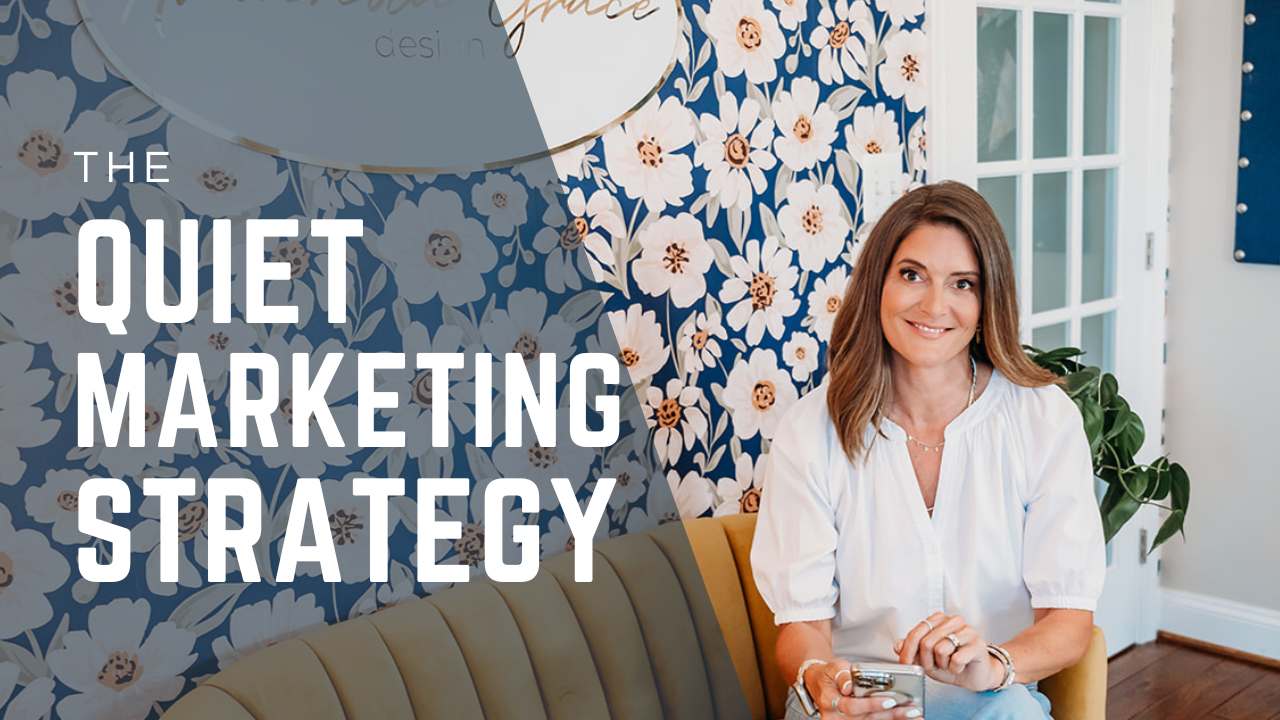
Real marketing? It's mostly quiet. It's consistent. It's about showing up as authentically, undeniably YOU—and letting that do the heavy lifting.
So what does all this heavy lifting? Your brand identity. I'm talking about your creative personality, packaged up and presented consistently so people actually remember you.

If you've been avoiding "marketing" because it makes your skin crawl (same, friend), let me show you how to market without feeling like you're marketing. Because the foundation isn't aggressive tactics—it's simply being memorable.
Why Marketing Feels So Gross (And Why It Doesn't Have To)
Most of us resist marketing because we picture the worst version of it: the pushy DMs, the desperate "pick me!" energy, the constant self-promotion that makes us want to apologize for existing.
But that's not marketing. That's bad marketing.
Real marketing—the kind that actually works for artists and designers—is about being so consistently, authentically yourself that people can't help but notice.
It's about:
- Showing up regularly with your unique perspective
- Building genuine connections instead of broadcasting sales pitches
- Creating a cohesive presence that feels professional and approachable
- Letting your work (and your vibe) speak for itself
Think about the artists you follow and admire on Instagram. The ones whose work you'd recognize instantly, even without seeing their name. They're not constantly screaming "BUY MY STUFF!" They've just built a strong, consistent presence.
That's the power of brand identity. And it's the most important "marketing" you'll ever do.
What Brand Identity Really Means (No MBA Required)
Your brand identity is basically your business's personality. It's not just a pretty logo or colors you picked because they're trendy—it's the whole package of how you look, sound, and make people feel.
When someone lands on your Instagram, then clicks through to your website, then opens your newsletter, it should feel like they're interacting with the same creative human. That consistency? That builds trust. And trust turns casual scrollers into customers.
Your brand identity includes:
- Visual elements: Your logo, color palette, fonts, and design style
- Your voice: Are you playful and pun-loving? Professional and polished? Warm and encouraging?
- Your presence: How you show up across platforms—from your Instagram grid to your email signature
Here's what nobody tells you: A strong brand identity does your marketing FOR you. When it's dialed in, people start recognizing your work instantly. They associate certain colors or styles with you. They remember you when they need a pattern designer—or when their friend does.
And the best part? It doesn't feel pushy or salesy. It just feels like you.
The "Market Without Marketing" Foundation: Building Your Brand
Ready to create a brand identity that does the heavy lifting so you don't have to? Let's break down the essential elements.
1. Your Logo: The Face of Your Brand
Your logo is often the first thing potential clients see, so make it count. But relax—it doesn't need to cost a fortune or be designed by some fancy agency when you're starting out.
Budget-friendly options:
- Browse Creative Market for customizable templates
- Use one simple, hand drawn motif from your most popular pattern and combine it with your name written in a cute, readable font
- DIY with Canva's logo maker
The key is finding something that feels authentically YOU and works across different platforms—from your website to your Instagram profile to your email signature.
2. Your Color Palette: Your Visual Signature
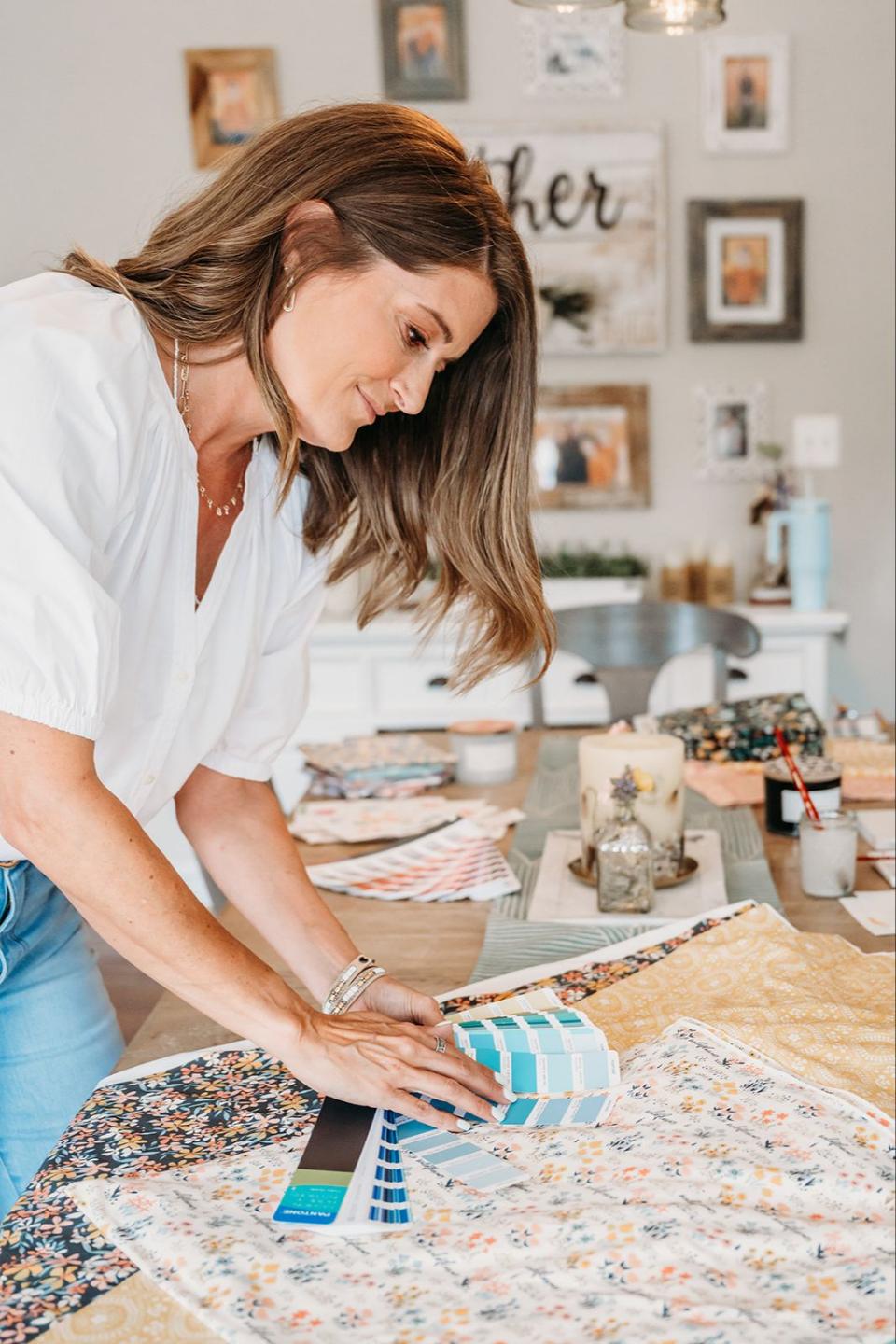
Your brand colors are like your business's signature outfit. They should make you feel confident, represent your style, and appeal to your ideal customer.
A solid color structure:
- 3 primary colors (your main players)
- 2 secondary colors (the supporting cast)
- 2 neutrals (because sometimes less is more)
Choose colors that not only reflect your artistic style but also resonate with your ideal customer. Targeting high-end home decor brands? Maybe skip the neon explosion. All about bold, playful kids' products? Muted beiges might not tell your story.
Once you've nailed your palette, use it everywhere. Your website. Instagram feed. Email templates. Pinterest pins. Eventually, people will start associating those colors with you—and boom, that's brand recognition doing the marketing for you. Don’t take this too far and ONLY use these colors in your designs. But do use them whenever you can for all things that are part of your business foundation.
Feeling stuck on color choices? Grab my free Master the ABCs of Your Art Biz resource. It includes AI-powered prompts to help you define your ideal customer, which makes choosing the right brand colors infinitely easier.
3. Your Typography: Fonts With Personality
Fonts have personalities, and your choices should reflect yours. Are you quirky and fun? Elegant and sophisticated? Bold and modern?
Pick 2-3 fonts and stick with them:
- One for headlines (your attention-grabber)
- One for body text (readable is non-negotiable)
- Optional: One accent font for special touches
4. Your Brand Hub: Organization as Marketing Strategy
Here's where being organized becomes your secret marketing weapon. Gather all your brand assets in one centralized location:
- Logo files (in multiple formats—PNG, JPG, SVG)
- Color codes (hex, RGB, CMYK)
- Font names and download links
- Your bio and artist statement
- Brand guidelines (even a simple one-pager)
- Content ideas and messaging
I keep everything in a Notion hub, which is basically the Mary Poppins bag of business organization. This makes staying consistent effortless—and consistency is what makes your "quiet marketing" actually work.
Having everything organized also makes it ridiculously easy to create content, work with collaborators, or respond when potential clients want to feature your work. You're not scrambling—you're ready. And that professional preparedness? That's marketing, baby.
5. Consistency: The Marketing Magic You're Missing
When you use your brand elements consistently across all platforms, this is where the magic happens. Your Instagram will feel like it belongs to the same creative human as your website, which will coordinate with your Pinterest presence, which will align with your newsletter.
Consistency checklist:
- Use the same profile picture across platforms
- Apply your color palette to all marketing materials
- Maintain a similar style and tone in all written content
- Create templates for recurring content
When your branding is consistent, people start recognizing your work instantly—even before they see your name. They're not thinking "Oh, another pattern designer." They're thinking "Oh, THAT'S the designer I love!"
Quiet marketing that actually converts.

The Brand Breakdown: More Perks Than a Coffee Shop Loyalty Card
Building a strong brand identity isn't just about looking pretty online. It's a strategic business move that:
Builds trust: Professional, consistent branding signals that you're serious about your business and reliable to work with.
Attracts your ideal clients: When your branding authentically reflects your style and values, it naturally attracts people who vibe with what you do. No awkward sales pitch required.
Increases perceived value: Strong branding allows you to charge higher prices because it positions you as a professional, not a hobbyist testing the waters.
Makes content creation easier: When you have clear brand guidelines, creating content becomes faster because you're not reinventing the wheel every time. (Less decision fatigue = more time actually designing!)
Creates emotional connections: People don't just buy patterns—they buy from artists they feel connected to. Your brand helps create that connection without you having to be pushy about it.
The Bottom Line: Marketing Is Just Being Memorably You
Building a brand isn't a one-and-done project—it evolves as you grow. But having a strong foundation now means you're "marketing" every time you post, every time you send an email, every time someone lands on your website. And it never feels pushy because it's just... you.
Want ongoing support on your creative business journey? Join my free Weekly Eduletter: 3,2,1...Let's Design. Every Thursday, I deliver design tips, business encouragement, and pattern strategies straight to your inbox—like having a creative business mentor who also sends you the occasional meme.
So go ahead—pick those power colors, design that logo, get organized, and show up as the most authentic version of yourself. Because the best marketing strategy isn't a strategy at all.
It's just being so consistently YOU that people can't help but remember you. 🎨