3 Ways Your Creative Brain Is Sabotaging Your Pattern Business (And How to Fix Each One)
Feb 12, 2026Forty-seven. That's how many unfinished patterns an artist showed me recently when I asked why she hadn't completed a collection yet.
Every single one was stunning. Florals with perfect organic flow. Geometrics with interesting depth. A botanical series that made me want to wallpaper my entire house.
But not one finished collection. Not one portfolio piece. Not one thing she could actually pitch to a licensing company.
When I asked what was going on, she said something that hit a little too close to home: "I keep starting new things because they feel more exciting. And when I do sit down to work, I spend half my time researching and the other half scrolling through brushes trying to find the perfect one."
Sound familiar? Yeah, me too.
Here's the thing: your creative brain is wired differently. You're brilliant at generating ideas, seeing possibilities, and getting genuinely excited about potential. But that same gift becomes a curse when you can't finish anything—when every new idea feels more compelling than the boring-but-important project you're already working on.
This isn't a character flaw. It's how your brain works. But it's also why you might have seventeen half-finished collections, hundreds of barely-used brushes, and a Skillshare account full of courses you never completed.
Let's fix that. Here are three frameworks that have genuinely changed how I work.
Problem #1: Shiny Object Syndrome
You're working on a soft, garden-inspired collection. The color palette is coming together beautifully. You're feeling good about it.
Then you hop on Instagram for a "quick break."
Suddenly you see this edgy, metallic geometric trend everyone's talking about. It looks so fresh. So different from what you're doing. Before you know it, you've opened a new canvas and started sketching something completely different. Your garden florals? Abandoned mid-bloom.
Your brain is chasing novelty. And every time you abandon a project for a shiny new one, you're robbing yourself of growth (because finishing teaches you things that starting never will), feedback (because you can't get market response on work that doesn't exist), and yes—money (because you can't sell patterns that aren't finished).
The Fix: The "One Before Two" Framework
I've made a deal with myself that's genuinely changed everything. Before starting anything new, I finish one thing first.
Simple doesn't mean easy. Anyone who has stood in front of the freezer fighting a late-night ice cream craving knows exactly what I'm talking about. But here's the framework I use.
When that exciting new idea hits (and it will—that's your creative brain doing its job), I pause and ask myself one question: "What will I have to give up if I start this?"
Our brains get so distracted by the sparkle of the "new thing" that we forget there's always a downside. Your time and energy are finite. Starting something new means something else gets abandoned.
So instead of immediately diving in:
Write it down in a specific place. I keep a "Future Project Ideas" list in my notes app. Your idea-generating brain gets peace because it knows the thought isn't lost. But you haven't derailed your current work.
Define what "done" means for your current project. Not perfect. Just done. Maybe it means hero pattern complete with three coordinates drafted. Maybe it means uploaded to one print-on-demand platform. Whatever it is, make it specific.
Set a completion deadline. Pick a date that's slightly uncomfortable but achievable.
Only then assess the new idea. Once you've hit your goal, go back to that ideas list with fresh eyes. Most shiny objects aren't actually better than what we were already doing—they just seemed better because they were new.
That garden floral collection that felt stale compared to the edgy trend I spotted on Instagram? Clients loved it. The trend I almost chased? It peaked and faded before I would have finished anyway.
Problem #2: Analysis Paralysis
You sit down to start a new pattern collection. Coffee ready. iPad charged. Favorite playlist queued up.
Two hours later, you've got fifteen browser tabs open—Pinterest, Instagram, three blog posts about trends, your competitor's website, Spoonflower's bestseller list—and you've created exactly zero art.
Should I do florals or geometrics? Maximalist or minimal? What color palette? Is cottagecore still happening? What's selling on Society6 right now?
Here's what's actually happening: your brain is trying to protect you from making the "wrong" choice. You tell yourself you're being strategic—you'll make the perfect decision if you just gather a little more information.
But more information doesn't make creating easier. It makes it harder. Every new option you discover is another thing your brain has to compare and evaluate. Every trend you research adds another voice to the chorus of "but what if THIS is the right direction?"
When you're highly creative, you can see endless possibilities. You're not choosing between two options—you're choosing between the twenty-seven directions you can envision for any given project. So instead of deciding and potentially being wrong, you research more. Analyze more. Create nothing.
The Fix: The "3 Options Maximum" Rule
When I notice myself spiraling into research mode, I limit myself to three options. Maximum.
Not ten color palettes. Three. Not fifty reference images. Three. Not every possible style direction. Three.
Why three? Because your brain can actually compare three things without short-circuiting. There's actual psychology behind this—it's called the paradox of choice, and it proves that having too many options makes us less likely to choose anything at all.
Here's how it works:
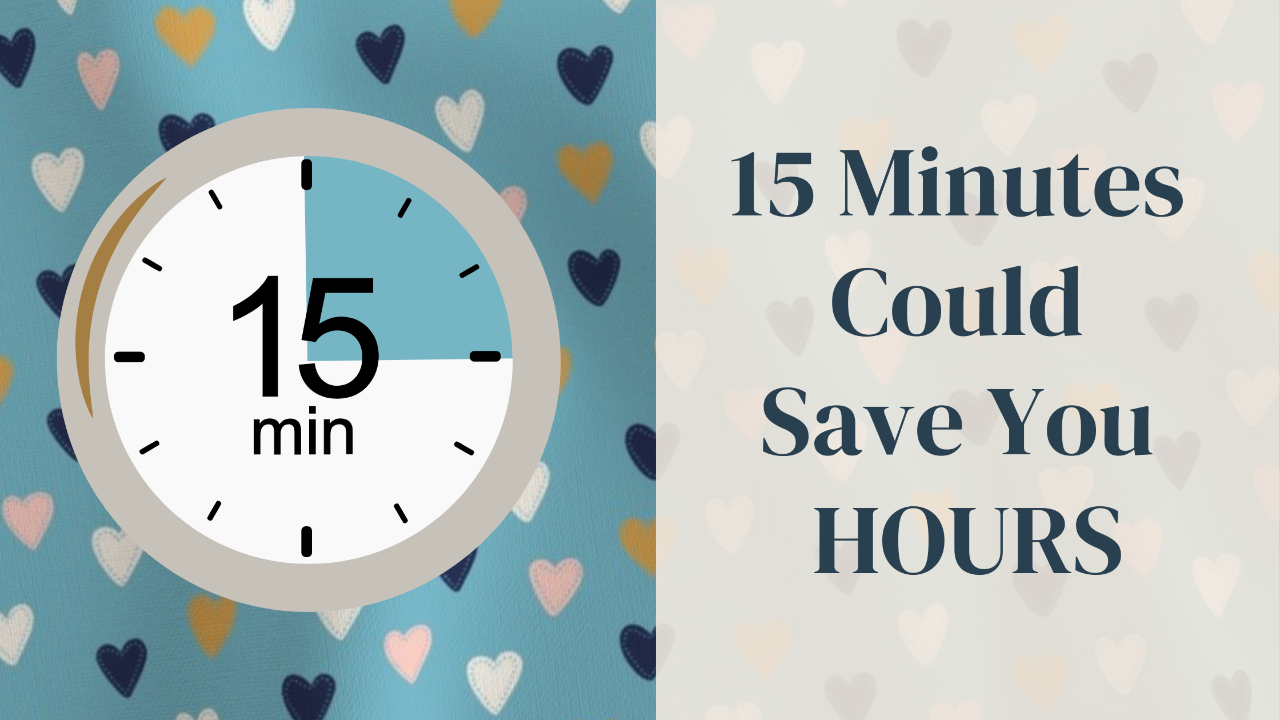
Set a timer for research. Give yourself 15 minutes—not three hours—to gather options. When the timer goes off, you're done, whether you feel "ready" or not. The time constraint forces you to trust your instincts.
Pick your top three. From everything you found, choose just three options that feel most aligned with what you're creating. Not your top five. Not everything that "might work." Three.
Trust your gut. Look at your three options and notice: Which one makes you slightly excited? Which one feels doable? Pick that one. Not the "best" one. The one that gives you even a tiny spark of energy.
Commit for one work session. You're not committing forever—just for 30 to 60 minutes. If it's truly the wrong choice, you'll know after actually working with it. But most of the time? It's fine.
And if you're already frozen? Do the smallest possible next action. Sometimes that's just opening the project file and looking at it for 30 seconds. The action doesn't have to be impressive. It just has to be movement. Because movement creates momentum, and momentum breaks the freeze.
Problem #3: Decision Fatigue in Your Brush Library
Be honest: how much of your "creative time" is actually spent scrolling through brush libraries trying to find the perfect one?
You open Procreate ready to create. Inspiration is flowing. And then you tap on the brush library.
Suddenly you're scrolling through your 47 downloaded brush sets, trying to remember which watercolor brush gave you that perfect edge last time. Was it in the "Organic Textures" set? Or the "Watercolor Dreams" pack? Or that free one you downloaded from Pinterest three months ago?
Twenty minutes later, you've tested eleven brushes and created exactly nothing.
Here's something nobody tells you about having a massive brush collection: it's actually working against you. Every brush you add is another option your brain has to evaluate. Every set you download is another place to look when you're searching for "the right one."
And here's the kicker: most of us use the same handful of brushes for 90% of our work anyway.
The Fix: The 5 Brush Max Method
For each pattern collection I work on, I create a dedicated brush set with exactly five brushes. That's it.
One for linework. One for fills. Two for texture. One for shading.
It sounds restrictive, and the first time I tried this, it felt weird—like I was handcuffing my creativity. But here's what actually happened: I stopped wasting time deciding and started spending that time creating. My work became more cohesive because I was using consistent tools throughout the collection.
To set this up in Procreate: create a new empty brush set (tap the "+" at the top of your brush library). Name it something project-specific. Then drag copies of your five chosen brushes into that set.
When you start working, navigate to your custom five-brush set and stay there. Resist the urge to go hunting through your full library for "something better." Your only options are those five brushes. That's the whole point.
Why specifically five? It's restrictive enough that you can't waste time scrolling, but flexible enough that you have actual variety for different tasks.
And here's the psychological magic: when you only have five tools, you actually learn them deeply. You discover what each brush can really do because you're not constantly switching to something new. That creative problem-solving often leads to more interesting work than having unlimited options.
The Common Thread
Notice what all three frameworks have in common? They're about limiting your options to free up mental energy for the work that actually matters.
All that mental energy you're spending on analysis and comparison and tool selection? Imagine if you could channel it into actual creating instead. That's what these systems do. Not eliminating your creativity—just giving your creative brain enough structure that it can do what it does best: make beautiful things.
Done beats perfect. Finished beats started. Momentum beats inspiration every single time.
Your creativity isn't the enemy. It's your superpower. But without systems to channel it, that superpower becomes chaos that keeps you perpetually restarting, researching, and reorganizing instead of completing work that moves your business forward.
Ready to Build More Systems That Work?
If you want more strategies for channeling creative chaos into completed work, my free 3, 2, 1... Let's Design newsletter delivers weekly tips for surface pattern designers who are tired of spinning and ready to start earning.
And if you need a clear roadmap that eliminates the "what should I do next?" guesswork entirely, the Procreate Pattern Collection Masterclass walks you through every step of creating a professional collection—from first sketch to finished, licensable work. Plus, it includes 25 repeat templates so you're not reinventing the wheel every time you start a new project.
Now close those extra tabs. Open your current project. And let's finish something.